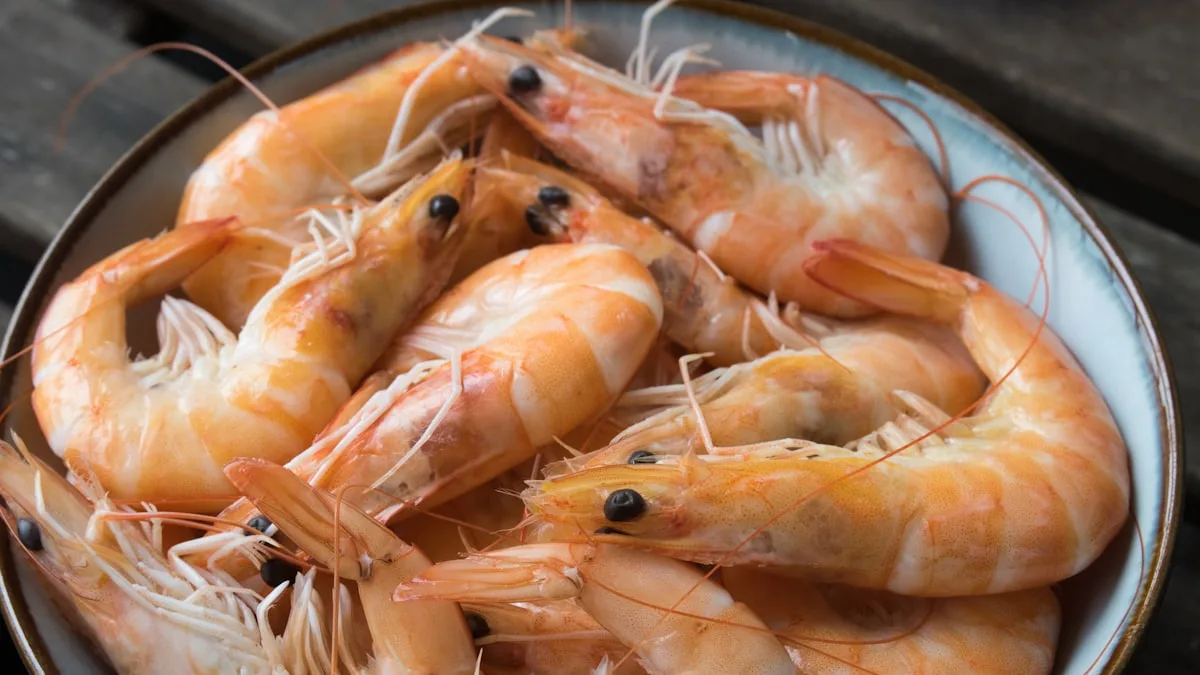
Shrimp is the most widely traded seafood commodity in the world, and for corporate buyers the choice of variety has a direct impact on cost, consistency, plate appeal and menu positioning. Yet "shrimp" is not a single product. Behind that one word sits a portfolio of species, each with its own size range, texture, colour, flavour profile and ideal culinary application. A purchasing decision that works beautifully for a hotel breakfast buffet may be entirely wrong for a fine-dining grill station or a high-volume catering line.
This guide explains the shrimp varieties that dominate international seafood trade, the difference between wild-caught and farmed (aquaculture) shrimp, and the practical language of sizes, counts and product forms that appears on every specification sheet and quotation. Whether you operate a restaurant group, a hotel kitchen, a catering company or a wholesale distribution business, understanding these fundamentals helps you buy with confidence and avoid costly mismatches.
At Bemias, we source frozen shrimp and other seafood from trusted international producers and supply corporate buyers across Türkiye. The varieties below reflect the categories within our shrimp range, and the buying principles apply equally across our wider product portfolio.
Wild-Caught vs Aquaculture: Two Supply Routes
Almost every shrimp variety in trade falls into one of two production routes, and the distinction matters for price, availability and consistency.
- Wild-caught shrimp are harvested from the sea. They tend to deliver a firmer texture and a more pronounced, briny flavour that many chefs prize. Supply is seasonal and size grading is naturally variable, which can make consistent year-round specification harder and prices more volatile.
- Aquaculture (farmed) shrimp are raised in controlled pond or sea-water culture systems. They offer steadier availability, more uniform sizing and generally more predictable pricing, making them the backbone of large-volume foodservice and catering operations.
Neither route is "better" in absolute terms. Wild-caught varieties often win on flavour and prestige for à la carte dishes, while aquaculture varieties win on consistency and cost control for high-volume menus. Most professional kitchens use both, matched to the dish.
Vannamei (Litopenaeus vannamei): The Global Workhorse
Whiteleg shrimp, traded as Vannamei, is the single most farmed and most traded shrimp on earth. Its dominance is no accident: it grows quickly, adapts to a wide range of farming conditions and delivers remarkable consistency in size and quality.
- Texture and flavour: mild, slightly sweet, with a tender-firm bite. Versatile rather than assertive, which makes it suitable for an enormous range of cuisines.
- Best applications: buffets, stir-fries, pasta, curries, breaded and value-added products, and any operation needing reliable, repeatable portioning.
- Why buyers choose it: year-round availability, uniform counts and competitive pricing make it the default choice for hotels, catering companies and mall food courts.
If your priority is dependable supply at scale with predictable plate cost, Vannamei is almost always the starting point of the conversation.
Black Tiger (Penaeus monodon): The Premium Statement
Black Tiger shrimp is the large, dramatic counterpart to Vannamei. Recognisable by its dark, banded shell that turns a vivid red-orange when cooked, it makes an immediate visual impact on the plate.
- Texture and flavour: firm, meaty and notably sweet, holding up well to grilling, roasting and bold marinades.
- Best applications: à la carte mains, grilled and skewered presentations, premium seafood platters and fine-dining menus where size and appearance justify a higher price point.
- Sizing: available in genuinely large grades, where Black Tiger truly distinguishes itself from smaller farmed alternatives.
Black Tiger is sourced from both wild-caught and aquaculture supply. For chefs building a signature dish, the larger counts deliver the kind of presentation that diners remember.
The Wild-Caught Specialities: Flower, White and Sea Tiger
Beyond the two global headliners sit several prized wild-caught varieties that experienced buyers seek out for flavour and authenticity.
Flower (Penaeus semisulcatus)
The Flower shrimp is a sought-after wild-caught species with attractive markings and a clean, sweet taste. It is valued where presentation and a true wild-caught character matter, and is a frequent feature of premium seafood menus.
White (Penaeus indicus)
The Indian white shrimp offers a delicate, slightly sweet flavour and a pale, appealing colour. Its tender flesh suits lighter preparations, sautéing and dishes where the shrimp should complement rather than dominate other ingredients.
Sea Tiger (Penaeus monodon)
The wild-caught expression of Sea Tiger brings the firm texture and rich flavour associated with the monodon species, prized by kitchens that want the depth of a wild catch in a substantial-sized shrimp.
Other Traded Varieties
The wider trade also includes several smaller and regional wild-caught species that play important roles in specific recipes and value tiers:
- Bamboo (Penaeus japonicus) — distinctive striped shell, firm and flavourful.
- Brown (Metapenaeus affinis) — a robust, economical option for blended and processed dishes.
- Poovalan (Metapenaeus dobsoni) — a small variety widely used in curries and mixed preparations.
- Karikadi (Parapenaeopsis stylifera) — a small-count shrimp valued in regional cuisine and economical menu items.
Understanding Shrimp Sizes and Counts
The most important number on any shrimp specification is the count — the number of shrimp per pound (or per kilogram). Counts are the universal language of shrimp trade, and reading them correctly is essential to controlling both cost and portion size.
- U/10, U/15 — "U" means "under". U/10 means fewer than 10 shrimp per pound, i.e. very large, premium pieces.
- 16/20, 21/25 — a range of 16 to 20 (or 21 to 25) shrimp per pound. Large, popular grades for grilling and à la carte plating.
- 26/30, 31/40 — medium grades, ideal for buffets, pasta and high-volume service.
- 41/50 and smaller — smaller counts used in salads, fillings, value-added products and economical menus.
The key rule: the lower the count number, the larger the shrimp — and generally the higher the price per kilogram. A U/10 shrimp is a showpiece; a 41/50 is a workhorse. Matching count to application is where buyers protect their margins.
Product Forms: HOSO, HLSO, PUD, PD and More
The same shrimp can be supplied in many forms depending on how much processing has been done. The form you choose affects labour in your kitchen, yield, packaging and price. Common abbreviations include:
- HOSO (Head-On, Shell-On): the whole shrimp. Maximum visual impact and freshness perception; favoured for grilling and display.
- HLSO (Headless, Shell-On): head removed, shell retained. A balance of yield and presentation, very common in trade.
- Easy-peel: shell-on but slit along the back so it peels away cleanly — convenient for service while keeping a shell-on look.
- PUD (Peeled, Undeveined): shell removed, vein left in. Cost-effective for high-volume cooking.
- PD (Peeled, Deveined): shell and vein removed — ready to cook, minimal kitchen labour. Available tail-on or tail-off.
Forms are also defined by how they are frozen:
- Block frozen: shrimp frozen together in a solid block, often the most economical option and well suited to recipes where the full block is used at once.
- IQF (Individually Quick Frozen): each shrimp frozen separately, so you can portion exactly the quantity you need. IQF reduces waste and offers maximum flexibility, which is why it is so popular in professional kitchens.
Grading — the sorting of shrimp into consistent counts and quality tiers — sits behind all of this. Reliable grading is what allows a chef to plate the same portion every time, and it is one of the clearest markers of a dependable supplier. Our broader range, including squid, cuttlefish, octopus and crab, follows the same specification logic.
Matching Variety to Application
Putting it together, a few practical pairings help guide everyday buying decisions:
- High-volume buffets and catering: Vannamei in medium counts (26/30, 31/40), IQF and PD for low labour.
- Grilled à la carte and signature plates: Black Tiger or wild-caught Sea Tiger in large counts (U/15, 16/20), often HOSO or HLSO.
- Premium seafood platters: Flower and White wild-caught varieties for authenticity and presentation.
- Value-added and processed products: smaller counts and PUD/PD forms for cost control.
Key Takeaways
- Vannamei is the global workhorse — consistent, available year-round and ideal for volume operations.
- Black Tiger is the premium large shrimp for grilling and à la carte presentation.
- Flower, White and Sea Tiger are prized wild-caught varieties chosen for flavour and authenticity.
- Counts (U/10, 16/20, 21/25) describe size — lower number means larger shrimp and usually higher price.
- Product forms (HOSO, HLSO, PUD, PD, easy-peel) and freezing method (block vs IQF) determine kitchen labour, yield and flexibility.
- Match the variety, count and form to the specific application to control cost and plate quality.
Frequently Asked Questions
What is the difference between Vannamei and Black Tiger shrimp?
Vannamei (whiteleg) is a fast-growing farmed shrimp prized for consistency, year-round availability and competitive pricing, with a mild sweet flavour. Black Tiger is larger and more dramatic, with a firmer, meatier texture and a striking shell that turns red-orange when cooked. Vannamei suits high-volume service; Black Tiger suits premium grilled and à la carte dishes.
What do shrimp size counts like 16/20 and U/10 mean?
Counts describe how many shrimp make up a pound. "16/20" means 16 to 20 shrimp per pound, while "U/10" means under 10 per pound — a very large grade. The lower the number, the larger the individual shrimp and generally the higher the price per kilogram.
What is the difference between HOSO, HLSO, PUD and PD shrimp?
HOSO is head-on, shell-on (whole shrimp). HLSO is headless, shell-on. PUD is peeled but undeveined, and PD is peeled and deveined, ready to cook. More processed forms reduce kitchen labour but typically cost more per usable kilogram.
Is wild-caught shrimp better than farmed shrimp?
Neither is universally better. Wild-caught shrimp often have firmer texture and a more pronounced flavour, with seasonal and more variable supply. Farmed (aquaculture) shrimp such as Vannamei offer steadier availability and more uniform sizing. The right choice depends on the dish, budget and consistency requirements.
What is the difference between block frozen and IQF shrimp?
Block frozen shrimp are frozen together in a solid block, which is economical when the whole block is used at once. IQF (Individually Quick Frozen) shrimp are frozen separately, so you can portion the exact quantity needed, reduce waste and gain flexibility — which is why IQF is popular in professional kitchens.
Which shrimp variety is best for hotels and catering?
For high-volume hotel and catering operations, Vannamei in medium counts such as 26/30 or 31/40, supplied IQF and PD, offers the best balance of consistency, low kitchen labour and cost control. For premium à la carte service, larger Black Tiger or wild-caught grades are often preferred.
Source Your Shrimp with Bemias
Choosing the right variety, count and product form is far easier with a knowledgeable supply partner. Bemias works with trusted international producers to deliver frozen shrimp and a full range of seafood to corporate buyers across Türkiye. Explore our shrimp range and the wider product portfolio, learn about our approach to quality and food safety, then request a quote for your specific requirements. For anything else, our team is ready to help via our contact page.